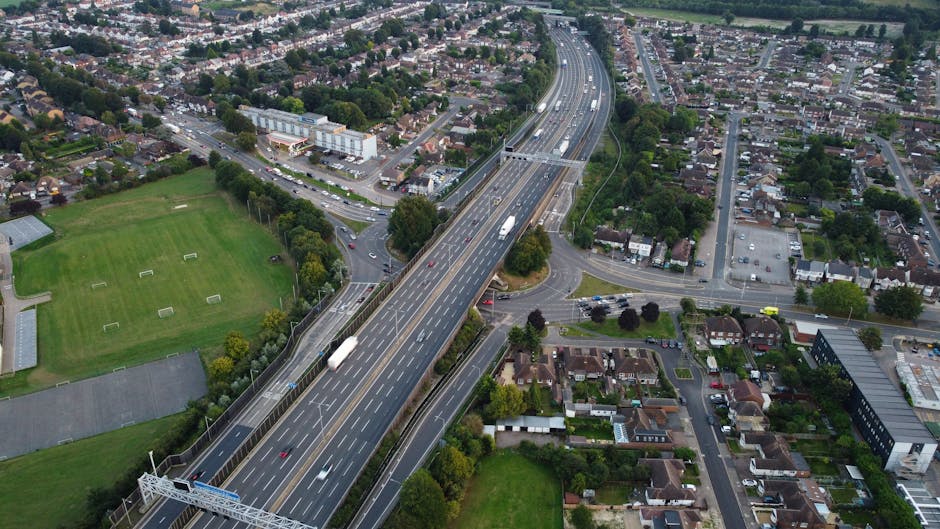




Delays and access issues for Hither Green flat removals
Posted on 10/06/2026
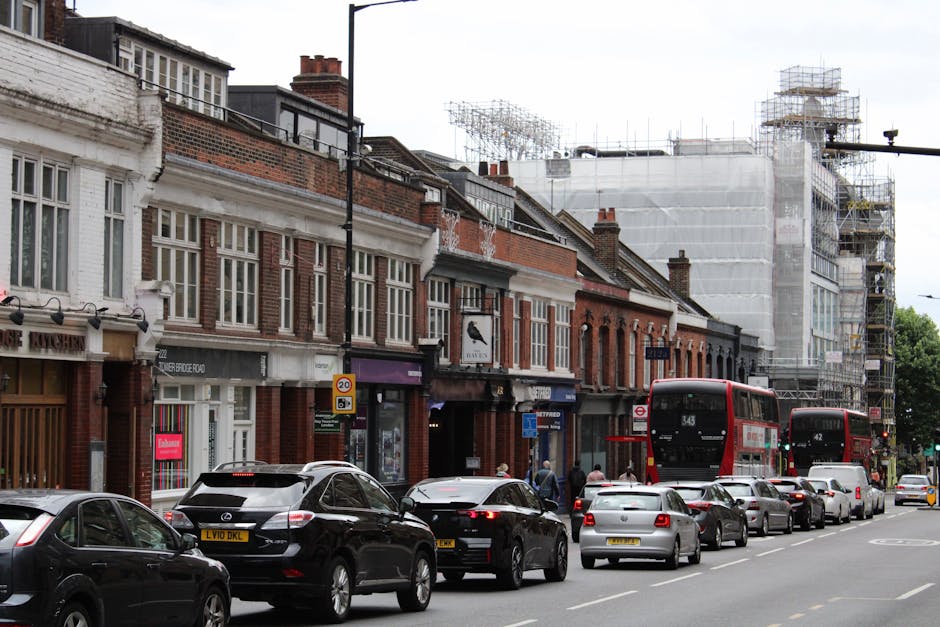
Flat moves in Hither Green can look simple on paper, then suddenly turn fiddly the moment you meet a tight stairwell, a parked car blocking the kerb, or a lift that decides to stop working five minutes before loading starts. That is the reality behind delays and access issues for Hither Green flat removals. If you are moving into or out of a flat in SE13, the biggest risks are rarely the boxes themselves. It is access, timing, parking, building rules, and the small surprises that slow everything down.
This guide breaks down what causes those delays, how to plan around them, and what a smooth flat move actually looks like in real life. You will also find practical checklists, a comparison table, and clear next steps, whether you are moving a studio, a top-floor flat, or a place with awkward loading at street level. And yes, a bit of planning really does save a lot of stress later.
Why Delays and access issues for Hither Green flat removals Matters
In flat removals, time is never just time. A ten-minute delay at the front door can become a 30-minute parking shuffle, then a longer chain reaction that affects lift bookings, neighbours, and your whole handover schedule. In Hither Green, that matters because many flats sit on streets where parking is tight, loading space is limited, and access can be shared with other residents or businesses.
Delays also affect cost and energy. If a move overruns, people get tired, tempers rise, and the "we'll just carry on" attitude can lead to rushed lifting, scratched walls, or damaged furniture. Truth be told, the last hour of a move is often where mistakes happen. Everyone is a bit knackered, nobody wants another trip up three flights of stairs, and that is usually when a sofa catches a banister.
For landlords, tenants, freeholders, and anyone on a completion deadline, access issues can create knock-on pressure. Even a small obstruction such as a narrow entrance, a security gate, or a shared hallway can make a fairly ordinary move feel complicated. That is why access planning is not an optional extra; it is part of the job.
If you are still in the planning stage, it helps to think beyond boxes and packing tape. Resources like flat removals in Hither Green, the wider services overview, and the company background can help you understand what professional support usually covers before the move even begins.
How Delays and access issues for Hither Green flat removals Works
Access issues are basically anything that slows the team getting from the van to the front door and back again. That includes parking restrictions, long carry distances, stairs, lifts, busy roads, locked entrances, and building rules around moving hours. The more of those that stack up, the more time a flat removal needs.
A good mover will usually ask a few simple questions early on: Where can the van stop? Is there a lift? How many floors? Can the parking spot be reserved? Is there a narrow stairwell or awkward turn? It sounds basic, but these are the questions that prevent a lot of frustration. A half-minute answer now can save half an hour later. Easy maths, really.
In practice, a flat move works best when the access plan is treated like part of the inventory list. For example, a top-floor flat with no lift may need extra labour time. A ground-floor flat with a long internal corridor may need smaller loads. A street with limited stopping space may need a removal van, a parking permit plan, or a timed arrival window so the crew can load quickly and legally.
Where the move is more complex, the team may split the job into stages: carry priority items first, protect sensitive pieces separately, and keep bulky furniture queued in the right order. That kind of sequence is especially useful for services such as man and van support in Hither Green or a more full-service option like removal services in Hither Green. The aim is not just speed. It is controlled speed, which is a very different thing.
Key Benefits and Practical Advantages
Getting ahead of access issues does more than keep the day moving. It makes the whole move cleaner, calmer, and often cheaper in the end because there is less wasted time.
- Less waiting around: the van arrives when it can be used, not when everybody is already tired.
- Lower damage risk: fewer rushed lifts and fewer awkward manoeuvres in hallways or stairwells.
- Better neighbour relations: a short, tidy loading window tends to be far less irritating for everyone nearby.
- Cleaner handovers: if you are leaving a flat, keeping the schedule tight helps with final cleaning and inspection.
- More predictable costs: time overruns and access surprises are much easier to avoid when they are identified early.
There is also a less obvious benefit: the move feels more under control. That matters a lot. A move is one of those jobs where stress sneaks in through tiny things - a missing fob, a lift booked by somebody else, a van waiting round the corner. Fix the access picture first and the rest tends to behave itself a bit better.
For larger items, it can be worth reading around specialist handling too, especially if you are moving a sofa, mattress, freezer, or piano. Helpful related guidance includes the packing guide for your next house relocation, bed and mattress moving tips, and sofa storage insights.
Who This Is For and When It Makes Sense
This topic matters to anyone moving between flats, but some people feel the pinch more than others.
- Tenants in upper-floor flats: stairs, shared entrances, and tight corners can quickly slow a move.
- People moving on a deadline: same-day handovers, completion dates, and school-run schedules do not leave much slack.
- Students and first-time renters: moves often involve less furniture but more uncertainty about access and timing.
- Households with bulky or fragile furniture: sofas, beds, wardrobes, and instruments need clear routes.
- Anyone in a managed building: lift rules, booking systems, and concierge restrictions can create delays if ignored.
It also makes sense if you are comparing moving options and want to avoid being caught out by hidden time costs. The page on avoiding hidden fees in Hither Green removals is a useful companion read because access delays are one of the most common triggers for extra charges.
To be fair, some moves are straightforward. You walk out the door, the van parks outside, and the job is done before lunch. But many flat removals in urban areas are not like that. If your move involves parking pressure, shared access, or awkward loading, it is worth planning as if something will go slightly off-script. Usually something does.
Step-by-Step Guidance
Here is a practical way to handle access planning without turning it into a huge project.
- Map the access route early. Walk from the flat to the street and notice gates, steps, tight turns, low ceilings, and anything that might slow a mattress or wardrobe.
- Check parking before you book the move. Ask where the van can stop, how long it can stay, and whether that space is actually usable on moving day.
- Confirm building rules. Some flats require lift booking, moving-hour restrictions, or permission for loading in shared areas.
- List the awkward items. Large sofas, freezers, beds, wardrobes, and pianos often need different handling, not just extra muscle.
- Measure key items and openings. Door frames, stair turns, and lift dimensions matter. A tape measure is boring, yes, but very handy.
- Pre-pack for speed. Keep essentials, small boxes, and fragile items grouped together so the loading sequence is logical.
- Plan a buffer. Build in extra time for parking, lift waits, or getting keys. A buffer makes the day feel a lot less brittle.
- Decide what should travel last. You do not want to block access with everything at once. Keep hallways clear where possible.
- Stage items near the exit. If your building allows it, stage boxes in a safe, tidy area just before loading starts.
- Review the plan with the mover. A short conversation before the day often catches the one thing everyone else forgot.
If you want extra support on preparation, a few relevant pages can help with the wider move itself, such as strategic decluttering before moving and house cleaning before relocating. Less clutter, less dust, less chaos. It all compounds.
Expert Tips for Better Results
The best access planning advice is often simple, but the simple stuff is what people skip.
First, protect the loading route. If the stairwell is narrow, take anything loose off the walls and make sure the route is free of shoes, bins, and parcels. One stray umbrella can sound trivial until it is under someone's foot. Not ideal.
Second, expect the van to need a real stopping plan. A vague "there should be space outside" is not enough. Think about the actual time of day, school traffic, nearby shops, and whether another resident usually parks in that spot. If you can, check the route at the same time of day as your move.
Third, match the vehicle to the access. A smaller vehicle can sometimes make a cramped flat move easier, especially when the street is busy or there is no decent loading bay. A bigger van is useful for volume, but a slightly smaller, easier-to-position vehicle can reduce waiting time.
Fourth, use specialist handling where it matters. Heavy or awkward items are not just heavier; they behave differently on stairs and corners. Pages such as innovative lifting methods and lifting heavy objects alone show why technique matters as much as strength.
Fifth, keep the day flexible. If a lift goes out of service or a parking bay gets blocked, you need a plan B. That may mean switching order, moving some items later, or using storage temporarily. Small adaptations prevent bigger delays.
And one more thing: don't be shy about asking for a clear arrival window and a rough loading sequence. Good movers expect it. In fact, they usually appreciate it.

Common Mistakes to Avoid
Most delays come from a few repeat offenders. The good news is that they are fairly easy to spot.
- Assuming parking will be available: this is the big one. It often is not, especially in busier parts of SE13.
- Forgetting to mention stairs or lift issues: what seems obvious to you may be invisible to someone booking the job remotely.
- Leaving bulky items until the end: that is when the team is tired and the exit route is already cluttered.
- Packing without a loading order: random box piles slow the move down because the van ends up packed less efficiently.
- Not checking access with building management: one missing approval can delay the whole start of the move.
- Underestimating the time for dismantling furniture: beds, wardrobes, and tables often need a bit more prep than people expect.
Another common mistake is not thinking about the end of the move. If your new flat has a similar access headache, you can arrive with everything organised only to discover the lift is small, the corridor is narrow, and the sofa wants to take up the whole world. That is where a bit of local knowledge and a calm approach make a real difference.
If you are moving specialist items, the risk of delay rises again. The related pieces on DIY piano moving and freezer safety while not in active use are helpful because both items tend to need more planning than people first assume.
Tools, Resources and Recommendations
You do not need a huge toolkit to manage access problems, but a few practical bits help a lot.
- Measuring tape: for doors, halls, stair turns, and the larger items.
- Phone notes: keep parking instructions, access codes, and building contact details in one place.
- Sticky labels or markers: so the move-in order stays clear and the right boxes go to the right room.
- Basic protective materials: blankets, wrapping, and tape for guarding edges and corners.
- Checklists: a simple paper list often works better than memory when the morning gets busy.
Useful service pages include packing and boxes in Hither Green, removal van options, and storage in Hither Green if you need to break the move into stages.
For area-specific moving issues, the local advice pieces on SE13 parking permit tips and Hither Green Lane loading advice are particularly practical. They are the kind of pages that save you from a "wish I'd known that earlier" moment.
If you need a quick overview of service fit, the removals in Hither Green page and the man with a van in Hither Green page can help you judge whether you need a smaller, flexible setup or a fuller removal team.
Law, Compliance, Standards and Best Practice
For flat removals, compliance is less about complicated legal theory and more about behaving safely, legally, and considerately. That usually means following building rules, not blocking emergency access, and respecting parking restrictions. If a vehicle cannot legally stop somewhere, it should not stop there. Simple as that.
Professional movers should also work in line with sensible health and safety practice. That includes safe lifting, route clearing, avoiding damaged stairwells, and handling items in a way that reduces risk to people and property. If you are booking a mover, it is reasonable to ask how they approach safety, what happens if access is limited, and whether they have insurance suitable for the job.
In managed buildings, there may be access booking systems, delivery rules, or concierge requirements. These are not just admin clutter. They affect the move. Make sure you know whether you need to book a lift, provide arrival details, or get approval for temporary parking. If you are leaving a flat, check whether your tenancy or building agreement mentions move-out timing or common-area care. It is tedious, yes, but it avoids awkward conversations later.
Trusted operational pages such as the health and safety policy, insurance and safety information, and terms and conditions can help you understand the standard of care to expect from a professional service. If accessibility is a concern, the accessibility statement is also worth a look.
Options, Methods, or Comparison Table
Different moving setups handle access issues in different ways. The right choice depends on the size of your flat, the street layout, and how much lifting you want to manage on the day.
| Option | Best for | Strengths | Potential drawbacks |
|---|---|---|---|
| Man and van | Smaller flat moves, flexible timings | Good for tight streets, quicker bookings, less bulky overhead | May need more self-prep if the load is large or access is tricky |
| Full removal service | Larger flats, more furniture, limited time | Better for coordination, heavier items, and complex access | More planning needed and sometimes a wider arrival window |
| Same-day removals | Urgent changes or last-minute access fixes | Useful when plans change quickly or keys are delayed | Less flexibility if parking or building access is uncertain |
| Storage-first approach | Delayed completion, staged moves, access not ready | Reduces pressure and protects the move schedule | Requires an extra step before final delivery |
There is no single winner here. A one-bedroom flat with good street access might suit a straightforward van move. A third-floor flat with a reluctant lift and a narrow road is a different story altogether. That is where you should lean into planning, not optimism.
For more detail on specific move types, see same-day removals in Hither Green, house removals in Hither Green, and student removals in Hither Green. Even if you are not a student, the student-moving pages can be useful because they often focus on compact, efficient moves and tight turnaround times.
Case Study or Real-World Example
Here is a realistic example. A tenant in a top-floor Hither Green flat booked a morning move for a Friday handover. On paper, it looked fine. Two bedrooms, one sofa, a bed frame, a mattress, a few kitchen boxes, and some bags. Nothing dramatic.
Then the access details came out. The lift was small and shared, parking outside was limited, and a delivery lorry had a habit of using the same stretch of road mid-morning. Instead of trying to force a perfect schedule, the move was split into phases. Smaller items went first. Bulky pieces were pre-positioned near the exit. A backup parking plan was arranged, and the team kept the loading order tight.
The move still took longer than a ground-floor job would have. That was unavoidable. But it stayed orderly. No frantic shuffling. No damaged walls. No muttered "who put this here?" moments halfway down the stairs. The tenant got the keys handed back on time and could still deal with cleaning and final checks without panic.
That is the real lesson. Access issues do not always disappear. Sometimes they just become manageable, which is honestly good enough. Especially in London, where the street can have a mind of its own by 8:30 a.m.
Practical Checklist
Use this before moving day. A few minutes spent here can spare a lot of faff later.
- Confirm the exact address and flat number.
- Check whether the building has a lift, and whether it works reliably.
- Measure key furniture and the narrowest points on the route.
- Confirm parking, stopping space, and any restrictions.
- Ask about booking rules for lifts or loading bays.
- Set aside keys, fobs, and any access codes.
- Label fragile or awkward items clearly.
- Keep hallways and exits as clear as possible.
- Decide what needs dismantling before the van arrives.
- Prepare a backup plan if access changes on the day.
- Check whether storage might help if timings slip.
- Keep water, snacks, and phone chargers nearby. A small thing, but useful.
One small but often missed tip: if your flat has a resident-only entrance or a buzzer system, test it in advance. Standing outside at the exact wrong moment, with a van waiting, is not the glamorous version of moving day.
Get a free quote today and see how much you can save.
Conclusion
Delays and access issues for Hither Green flat removals are usually not about bad luck. They are about layout, timing, parking, and building rules meeting a schedule that was a bit too optimistic. Once you treat access as part of the move rather than an afterthought, the whole process becomes much easier to manage.
The biggest wins are simple: check parking early, measure properly, keep the access route clear, and be honest about the awkward bits. If you do that, your move is far less likely to unravel at the last minute. And if it does get complicated, you will at least know exactly where the pressure is coming from.
In a busy place like Hither Green, that kind of calm preparation is worth its weight in boxes.