



SE13 movers parking permit tips for Lewisham Council rules
Posted on 28/04/2026
SE13 Movers Parking Permit Tips for Lewisham Council Rules
Moving in SE13 can be straightforward on paper and messy in real life. The street is tighter than you expected, the van arrives just as school run traffic starts, and suddenly there's nowhere sensible to stop. That's where SE13 movers parking permit tips for Lewisham Council rules become genuinely useful. If you're planning a house move, flat move, student move, or a same-day relocation in Hither Green or nearby Lewisham streets, parking is not a small detail. It can decide whether the whole day feels calm or chaotic.
This guide explains how parking permits and loading arrangements usually work, what to check with Lewisham Council, and how to avoid the classic moving-day slip-ups that cause delays, fines, or a very grumpy driver. You'll also find practical booking advice, a checklist, and a real-world example so you can plan with a bit more confidence. Truth be told, moving day already has enough surprises.
Why SE13 Movers Parking Permit Tips for Lewisham Council Rules Matters
In SE13, parking is often the hidden pressure point of a move. The area has a mix of terraced streets, controlled parking zones, resident bays, and road layouts that can make a big van feel twice its size. If your removal vehicle cannot park close enough to the entrance, everything slows down. Boxes get carried further. Furniture needs more handling. Stress goes up. And if parking is done wrongly, you may end up with a penalty or a frustrated neighbour blocking the job because the van is in the wrong place.
That's why parking planning matters just as much as packing. A well-handled permit or loading arrangement helps the mover work safely and efficiently, which is especially important if you're moving heavier items such as wardrobes, sofas, beds, or a piano. If you're still in the early stages, it can also help to read our guide to a stressless house change and the practical advice in our ultimate packing guide. They pair well with parking planning because one without the other rarely works smoothly.
There's another reason this matters. Lewisham streets are busy, and the best parking spot is often gone by the time you arrive. So the smart move is to plan early, not improvise. That applies whether you've hired a man with a van in Hither Green, booked a larger removal vehicle, or arranged a full home move. It's boring admin, maybe, but boring admin saves the day.
How SE13 Movers Parking Permit Tips for Lewisham Council Rules Works
The exact process can vary depending on the street, the time of day, and whether the vehicle needs to stop, wait, or unload for longer. In many parts of SE13, the key question is not simply "Can the van park here?" but "What kind of stopping is allowed, and for how long?" That distinction matters. Loading and unloading can sometimes be treated differently from ordinary parking, but you should never assume this without checking the local rules and signage.
In practical terms, the moving process often involves four moving parts:
- Checking the street restrictions near both the old and new address.
- Confirming whether a bay suspension, parking bay space, or loading exemption is needed.
- Booking the removal vehicle so arrival time matches the parking plan.
- Keeping proof and instructions handy in case a civil enforcement officer, neighbour, or building manager asks questions.
That last part gets overlooked a lot. A printed confirmation, a screenshot, or a note of the council reference can save a very awkward moment outside the property. If you're moving from a flat or shared building, it can also help to check the building's access arrangements in advance. Our flat removals service page covers the sort of access issues that often crop up in apartment moves, from stairwells to tight entry points.
One sensible rule: do not leave parking arrangements until the week of the move if you can help it. Depending on the street and the council process, approvals may take time, and some situations need notice. Even when the answer is straightforward, the paperwork can still take a little longer than you'd like. And yes, it always seems to happen at the busiest point of your week.
Key Benefits and Practical Advantages
Getting the parking side right is not just about avoiding a ticket. It changes the whole tone of the move. A van that can stop close to the entrance means fewer lifts, less time carrying, and less risk of bumping doorframes or scraping furniture. For larger items, it can make the difference between a careful two-person carry and a long, awkward relay from the end of the road.
Here are the main benefits:
- Faster loading and unloading, which keeps the day on schedule.
- Reduced manual handling strain for everyone involved.
- Lower risk of damage to furniture, walls, and floors.
- Better compliance with Lewisham Council rules and street restrictions.
- Less neighbour friction, because the move looks organised rather than improvised.
There's also a quieter benefit: peace of mind. When the van is sorted, one big chunk of uncertainty disappears. That can make everything else feel more manageable, from disassembling beds to finishing the last bit of cleaning. If you're working through a bigger household move, our article on strategic decluttering can help reduce the volume you need to move in the first place. Fewer items, fewer trips, fewer parking headaches. Nice and simple.
For certain items, like sofas or mattresses, parking and access planning are especially helpful because those pieces are awkward through narrow halls and staircases. You can see related practical advice in our sofa storage insights and bed and mattress moving tips.
Who This Is For and When It Makes Sense
This guidance is relevant for almost anyone moving in or out of SE13, but some people need it more urgently than others. If you're on a street with permit bays, timed restrictions, or a busy loading environment, you should plan parking early. If the property is a flat, a maisonette, or a building with awkward access, even more so.
It especially makes sense for:
- Homeowners moving from terraced or semi-detached properties
- Tenants leaving or entering flats in Hither Green and surrounding SE13 streets
- Students moving into compact accommodation with little curbside space
- Families with a lot of furniture and boxed items
- Anyone booking a same-day or short-notice removal
- People moving bulky or valuable items such as pianos, appliances, or large wardrobes
If your move is more complex than average, it may be worth looking at a service designed for your exact situation. For example, our house removals in Hither Green page is useful for full-property moves, while the student removals service may suit smaller loads and tighter budgets. Different move, different parking needs. Makes sense, really.
There are also moments when parking planning becomes urgent rather than optional. A moving van arriving late in the day, a short street with no waiting space, or a last-minute change to access can all turn a routine move into a scramble. If you've ever stood on the pavement at 8 a.m. with a trolley and a box of mugs while traffic is inching past, you'll know exactly what I mean.
Step-by-Step Guidance
Here's a practical way to approach parking for a move in SE13 without making it more complicated than it needs to be.
1. Check both addresses, not just one
People often only think about the collection address. But the delivery address matters just as much, and sometimes more. If the destination street is more restricted than the origin, the whole timetable may need adjusting. Look for permit bays, yellow lines, loading signs, and any suspended spaces nearby.
2. Understand the difference between parking and loading
These are not always the same thing. Some areas may allow short loading, but not ordinary parking. Others may require a specific permit or formal approval. If in doubt, do not guess. Guessing is how move day becomes "fun" in the wrong way.
3. Contact the council or check the council guidance early
Lewisham Council's parking rules and application process should be reviewed well before moving day. Check whether you need a temporary suspension, a visitor arrangement, or some form of moving-day permission. If the council provides a dedicated route for move-related parking, use it. If not, ask clear questions about the street, date, and vehicle type.
4. Match the permit plan to the vehicle size
A small van and a larger removal vehicle can face very different parking realities. A larger vehicle may need more space, more time to position, and a more careful plan around corners or parked cars. If you're choosing a vehicle, our removal van page gives a sense of the vehicle-focused side of moving in the area.
5. Build in a time buffer
Even a well-planned move can hit traffic, delayed lift access, or a neighbour who's parked exactly where you hoped to stop. Add a buffer. Not a huge one, just enough to keep the day from feeling rushed.
6. Keep documents accessible
Store your booking confirmation, council reference, contact number, and removal company details somewhere easy to reach. Not buried in a box labelled "misc." That box can wait. The paperwork can't.
7. Recheck on the morning of the move
A quick look at the street before the van arrives can reveal problems early. Sometimes a skip appears, roadworks move in, or a neighbour has parked in the exact spot you had in mind. A five-minute check can save an hour later.
For a move that feels more controlled from start to finish, it also helps to think ahead about packing materials and box labelling. Our packing and boxes support can make the unloading phase a lot smoother, especially if parking is only available for a limited time.
Expert Tips for Better Results
After handling enough local moves, a few patterns stand out. The first is that the smoother jobs are rarely the ones with the fanciest setup. They're the ones with the clearest instructions. A simple note about where to stop, where to ring the bell, and which entrance to use can save more time than an extra pair of hands.
Here are the tips that tend to make the biggest difference:
- Book access before the van is booked if possible, especially in busy SE13 streets.
- Measure entry points and parking distance for awkward items such as wardrobes and sofas.
- Tell your removal team about restrictions like bollards, one-way access, narrow gates, or school-time congestion.
- Keep the loading route clear at both properties so boxes aren't waiting on the doorstep.
- Move fragile or valuable items first while the team is fresh and the van is well organised.
If you're moving heavy or awkward furniture, parking close enough to the door matters even more. A few extra metres doesn't sound like much until you've carried a washing machine down a step, across a pavement, and round a parked car. In our experience, that's where people start muttering under their breath a bit. Fair enough.
For heavier specialist items, it's worth getting proper guidance. See our article on why DIY piano moving can be a false economy, or read about kinetic lifting methods if you're curious about safer handling approaches. Good parking planning supports safe lifting. It's all connected.
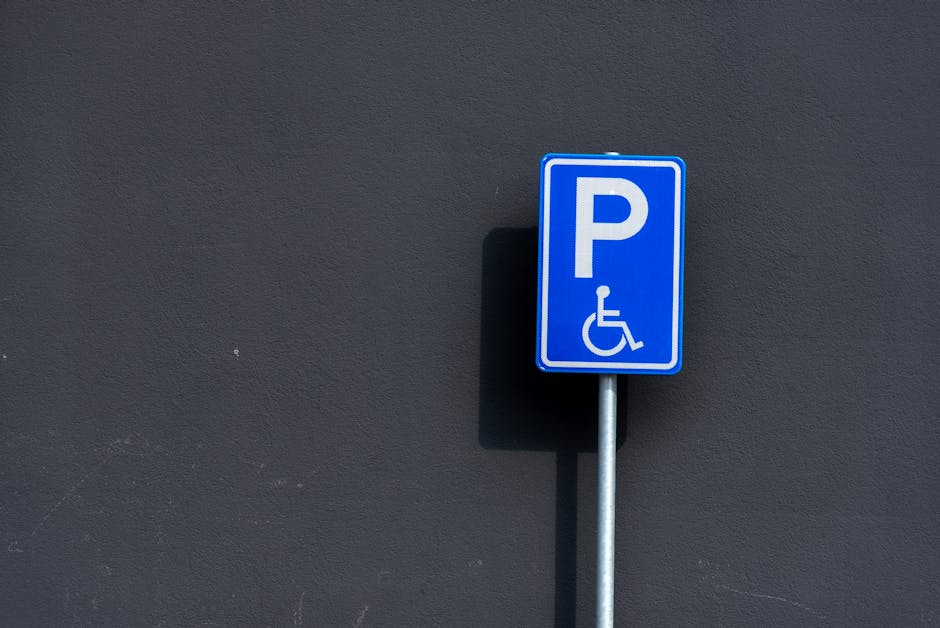
![A rectangular white sign attached to a wooden post outdoors, featuring a blue wheelchair symbol at the top left corner, indicating accessibility, with the text 'Blue badge holders only' beside it, and a large blue parking symbol 'P' below. The sign is positioned in front of a brick wall illuminated by sunlight, suggesting it is near a parking area. This sign relates to parking regulations for individuals with blue badges, relevant to house removals and loading processes. Occasionally, [COMPANY_NAME], such as Man With a Van Hither Green, may assist with moving logistics and furniture transportation in compliance with local parking rules, including those indicated by this sign.](/pub/blogphoto/se13-movers-parking-permit-tips-for-lewisham-council-rules2.jpg)
Common Mistakes to Avoid
Most parking problems during a move are avoidable. They usually happen because someone assumed a detail would sort itself out. It rarely does.
- Leaving permit checks until the last minute and then discovering the council needs more notice.
- Assuming loading is always allowed just because it's a move day.
- Forgetting the destination address and only checking the pickup street.
- Using the wrong vehicle size for a restricted road.
- Not telling the mover about building access, concierge rules, or limited stopping points.
- Blocking driveways, crossings, or bays without checking the local rules carefully.
- Ignoring weather and daylight, which matters more than people think when unloading takes longer than planned.
One subtle mistake is poor timing. A mid-morning move can be far easier than a school-run start or a late-afternoon arrival. If the road is already busy, even a legal stop can feel stressful because everyone else is trying to get past. That's where a little flexibility pays off. If your timetable allows it, choose the calmest window you can.
Another common issue is not preparing the property itself. If you want the move to go faster, clean pathways matter. You might find our guide to cleaning before relocating useful because a tidy path makes loading quicker and safer. And yes, less dust underfoot is always welcome.
Tools, Resources and Recommendations
You do not need a dozen apps and a clipboard the size of a dinner tray. But a few simple tools make parking planning much easier.
- Maps and street view to assess road width, turns, and parking layouts.
- Photos of the frontage so you can show the mover or council what the access looks like.
- Booking notes with arrival time, contact details, and any restrictions.
- Boxes and labels so the first load can be prioritised correctly.
- Blankets, straps, and trolleys for safer loading when the van has to stop a little further away.
If your move involves storing anything temporarily, think ahead about what should be packed separately and what should stay accessible. Our storage in Hither Green page can help if you need a short-term solution between properties. And if the move includes bulky furniture, the page on furniture removals in Hither Green is a sensible next stop.
For people who prefer a single point of contact and a straightforward booking process, the broader services overview is useful for seeing what can be arranged together. That sort of joined-up planning can save a surprising amount of back and forth.
Law, Compliance, Standards, or Best Practice
Parking permits and loading arrangements are not something to treat casually. Local authority rules, street signs, and any permit conditions should be followed exactly as issued. If a bay suspension or moving-related arrangement is required, make sure the dates, times, and vehicle details match what has actually been booked. Small errors can create big headaches.
In the UK, movers also have a duty to work safely and to avoid creating avoidable risks on the road or pavement. That means keeping access routes clear, not overloading a vehicle, and planning manual handling properly. If a route is awkward or an item is too heavy to move safely, the better choice is to slow down and use proper equipment or extra help rather than push on and hope for the best.
Best practice usually includes:
- Checking council guidance before the move
- Following all signs and markings on the street
- Making sure the vehicle is suitable for the road and access conditions
- Protecting property and public areas from damage
- Keeping communication open between the driver, mover, and customer
If you want reassurance on the operational side, it can help to choose a company that explains its approach clearly. Our about us page gives a sense of the team behind the service, while our insurance and safety page explains the sort of safeguards people should expect from a professional removal provider. That transparency matters, especially on busy local moves.
And while councils can update processes or street rules over time, the safest habit is always the same: verify, confirm, then move. Simple, but effective.
Options, Methods, and Comparison Table
There is more than one way to handle parking for a move in SE13. The right choice depends on the street, the vehicle, and how much time you have.
| Approach | Best for | Pros | Watch out for |
|---|---|---|---|
| Formal council permit or suspension | Controlled streets, longer loading, larger vehicles | Most structured and predictable | May need notice and exact details |
| Short loading stop where permitted | Quick, efficient moves with light access | Convenient when allowed and safe | Time limits and strict restrictions may apply |
| Off-street parking nearby | Moves near available driveways, forecourts, or private space | Can reduce street conflict | Often still requires careful permission and planning |
| Smaller van and shuttle loading | Very tight streets or difficult access | More flexible in congested areas | May take more trips and longer overall |
For many SE13 moves, a well-timed, appropriately sized van is the sweet spot. But if the property is tricky, a smaller vehicle and extra trips can be better than trying to force a large van into a space that just isn't realistic. That decision is boring on paper and brilliant on the day.
Case Study or Real-World Example
Here's a realistic example. A couple moving from a first-floor flat in SE13 to a terraced house a few streets away assumed the van could stop outside both addresses. On the collection side, that was fine. On the delivery side, however, the street had tighter parking and the nearest legal space was further along the road than expected.
Because they had checked the street layout beforehand, the moving team adjusted the start time slightly, brought in trolley support, and packed the van in a way that prioritised the heaviest items first. The result was not flashy, but it worked. No last-minute circling, no frantic double-parking, no awkward dash to carry a sofa round three parked cars while everyone watched. Just a controlled unload and a calmer afternoon.
Would a poorly planned move have eventually gotten the job done anyway? Probably. But it would have taken longer, felt rougher, and cost more in energy. And energy is usually the thing people run out of first.
That's why moving preparation is broader than boxes and tape. If you're still planning the load itself, our packing guide and decluttering advice are worth a look before the date gets too close.
Practical Checklist
Use this quick checklist to keep your SE13 moving day on track.
- Confirm the exact moving date and time window
- Check parking rules at both addresses
- Decide whether you need a permit, bay suspension, or just a legal loading arrangement
- Match the van size to the street and access
- Tell the mover about any narrow entrances, gates, steps, or restricted bays
- Prepare documents and contact details in one easy-to-reach place
- Label priority boxes so the first unload is efficient
- Clear paths inside and outside both properties
- Have a backup plan for unexpected congestion
- Check the area again on the morning of the move
If you are handling large furniture, fragile items, or a full family move, it can be worth discussing the plan with a professional rather than trying to wing it. Our removals in Hither Green page is a good place to explore the broader moving support available locally.
Expert summary: The best SE13 parking plan is the one that fits the street, the vehicle, and the timing. Check early, keep proof handy, and choose a moving setup that gives you enough room to work safely. That's really the whole game.
Conclusion
Parking can look like a tiny detail until moving day proves otherwise. In SE13, where streets can be tight and council rules matter, a clear parking plan often makes the biggest practical difference to how the day feels. A few careful checks, the right vehicle size, and a bit of lead time can save you stress, wasted lifting, and unnecessary delay.
Whether you're moving a flat, a family home, student accommodation, or a bulky item that needs extra care, the aim is the same: keep the van close enough to work safely and legally, and keep the move moving. Simple, really. Not always easy, but simple.
If you'd like help planning a local move with the parking, access, and loading details thought through properly, contact the team here and ask about the best approach for your street and schedule.
Get a free quote today and see how much you can save.
A good move is one where the little things are handled before they become big ones. That's the real trick, and it makes all the difference.