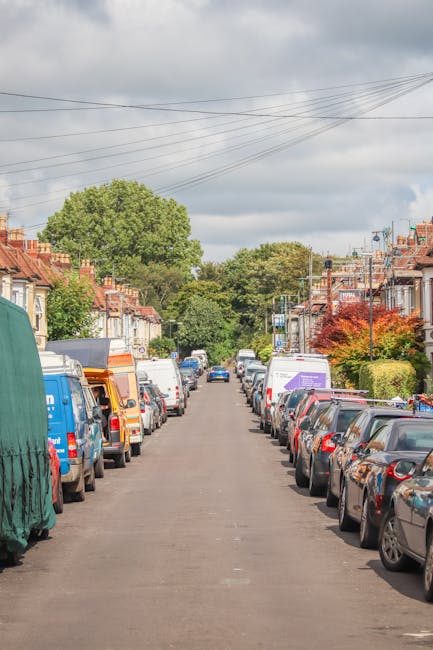
SE13 Small Flat Removals Advice for Narrow Terrace Homes
Moving out of a compact flat in SE13 can feel straightforward on paper, then suddenly the staircase is narrow, the hallway is awkward, and the front door opens into a terrace street that seems to have been designed for bicycles and good intentions only. If that sounds familiar, you are in the right place. This guide gives practical SE13 small flat removals advice for narrow terrace homes, with clear steps for planning, packing, access checks, and day-of-moving tactics that actually help.
Whether you are leaving a studio, a one-bed, or a small maisonette above a terrace, the challenge is usually less about volume and more about access. Tight corners, shared entrances, parking pressure, and fragile furniture can turn a simple move into a slow shuffle. The good news? With a bit of preparation, and the right moving method, it can go smoothly. Not perfect. But smooth enough.
Why SE13 small flat removals advice for narrow terrace homes Matters
SE13 has a lot of homes where the shape of the property matters just as much as the postcode. Terrace houses, converted flats, and compact upstairs rooms can all create movement constraints that are easy to overlook. A sofa that is perfectly fine in an open-plan block may become a genuine puzzle when it has to turn at a landing with a bannister on one side and a low ceiling on the other.
That is why advice for narrow terrace homes is different from general flat-moving advice. You are not just planning a removal; you are planning a sequence of small physical decisions. Can the mattress bend through the stairwell? Will the wardrobe clear the banister? Is there room for a van to stop safely without blocking neighbours in? If you wait until moving day to answer those questions, you can lose time fast.
In our experience, most stress comes from one thing: assuming the route will be obvious on the day. It rarely is. A quick check of the stair width, hallway turns, and parking access can prevent a lot of sweaty improvisation later. And yes, sometimes the awkward item is the one you thought would be the easiest. Funny how that works.
How SE13 small flat removals advice for narrow terrace homes Works
The moving process itself is not complicated, but it needs to be staged properly. For a small flat in a narrow terrace home, the move usually works best in four parts: assess the property, prepare the load, choose the right vehicle and crew, then move in a logical order.
First, the property assessment. This means checking the internal route from room to exit, then the external route from door to vehicle. A front path, side passage, or shared entrance may be the limiting factor. In terrace streets, the front door is often close to the pavement, which sounds convenient until parked cars or bins reduce the working space. You want to know that before the van arrives.
Second, preparation. Small flat removals are often faster when items are grouped by size and fragility rather than by room alone. For example, a lamp, a mirror, and a TV might all need different wrapping, but they can still be staged together by priority so the load goes out in a sensible order. This avoids the classic "where did the charger box go?" moment at 8:40 in the morning.
Third, vehicle choice. A smaller removal van or flexible man and van setup can be ideal for SE13 terrace access because it is easier to position, reverse, and unload without creating chaos outside the property. If you want to compare service styles, take a look at man and van support for compact moves or the broader removals service options available on the site.
Fourth, the move itself. The best approach is usually to load the largest items first, then layer in boxed items, then the fragile pieces on top or in protected sections. If the route is tight, it helps to keep one person on navigation and one on handling, even for a small flat. Two people talking over each other in a narrow hallway is not efficient, and it is certainly not elegant.
Key Benefits and Practical Advantages
The biggest benefit of careful planning is simple: fewer surprises. But there are several smaller advantages too, and they matter more than people expect.
- Less damage risk: Proper wrapping and route planning reduce knocks on walls, banisters, and furniture edges.
- Faster loading: When items are staged in the right order, the team spends less time weaving around the flat.
- Better parking strategy: In terrace streets, stopping points are limited. Planning the vehicle position avoids last-minute circling.
- Lower stress: A move feels much calmer when there is a sequence to follow.
- More accurate quoting: The clearer the access details, the better a moving company can estimate time and vehicle size.
There is also a practical money angle. Small flat moves are often not about the quantity of furniture alone; they are about the time it takes to move that furniture safely. A tight staircase, difficult parking, or extra carrying distance can make a move slower than expected. So, being accurate up front can help avoid awkward add-ons later. For pricing expectations and what details usually matter, the page on pricing and quotes is a sensible place to understand how moves are assessed.
And for many people, the real benefit is emotional. A move from a small flat can already feel like a life admin mountain. Reducing friction makes the day feel a lot more manageable. Which, frankly, is worth a lot.
Who This Is For and When It Makes Sense
This advice is especially useful if you live in a small SE13 flat and any of the following sound familiar:
- your building has narrow internal stairs or a tight landing
- you live in a converted terrace house
- parking near the property is limited or heavily used
- you have one or two larger items like a bed, sofa, wardrobe, or desk
- you are moving without a lift and need to carry items downstairs
- you are moving on a weekday and want to keep disruption low
It is also a good fit if you are moving as a tenant and need the flat cleared quickly, or if you are a first-time mover who has not done a narrow-street move before. To be fair, a lot of people only realise what a terrace street feels like when they try to manoeuvre a mattress around a half-open door. That is the moment the research phase suddenly becomes very appealing.
If you are comparing providers, you may also find it useful to look at what a removal company typically handles, or the broader removal services available for small home moves. The right fit is usually the one that understands access, not just volume.
Step-by-Step Guidance
1. Measure the awkward parts, not just the rooms
Start with the route that matters most: bed to door, sofa to stairwell, table to van. Measure stair width, landing turns, doorway clearances, and any low ceilings. A tape measure and a few photos can save a surprising amount of guesswork. If you are unsure, take photos from the bottom of the stairs looking up, and from the doorway back into the room. Those images tell a moving team a lot more than "it should be fine."
2. Separate items by handling difficulty
Not everything needs the same treatment. Heavy but simple items can be loaded fast. Fragile or awkward items need protection and more time. Group your items into three rough types: easy, awkward, and fragile. That small split makes the morning much easier. No need for a spreadsheet unless that is your kind of thing.
3. Declutter before you pack
Small flats tend to hide clutter in the oddest places. Under-bed storage, kitchen cupboards, the top of the wardrobe, the coat pile by the front door... you know the drill. Removing items you no longer need helps reduce load size and improves the packing flow. It also means fewer boxes to squeeze down tight stairs, which is always a win.
4. Pack for carrying, not just storage
Boxes for narrow terrace homes should be easy to lift, not just easy to fill. Small and medium boxes are usually better than oversized ones, because they are easier to pivot and safer on stairs. Keep each box reasonably balanced. A half-full box of books can be surprisingly worse than a properly packed one, because the weight shifts around while you carry it. Bit annoying, that.
5. Protect the route inside the property
Use door protectors, blankets, or old towels where practical to reduce rubbing on paintwork and wood. In a terrace home, the entrance hallway often does a lot of heavy lifting. A few simple protective layers can stop scuffs on walls and accidental marks on skirting boards.
6. Load in reverse order of access
It normally helps to load the biggest, least flexible pieces first, then build around them. If a bed frame or wardrobe needs to be tipped carefully, place it early so you are not fighting for space later. Fragile boxes and smaller loose items can fill the gaps. The aim is tidy, not fancy.
7. Keep essentials separate
Set aside one bag or small box with the things you will need immediately: keys, phone charger, kettle, toilet paper, snacks, medication, cleaning wipes, and a change of clothes if needed. You will thank yourself later. Everyone says this, and everyone is still relieved when they remember to do it.
Expert Tips for Better Results
Here is where the practical edge really matters. These are the sort of small details that make a move feel easier without requiring a full military operation.
- Use soft ties or labels on cable bundles: Electronics become chaotic fast. Keep cables grouped before they disappear into a box.
- Remove drawers where safe: Lighter furniture often moves better with drawers taken out and packed separately.
- Wrap mirrors and frames vertically: They are often safer standing than flat when handled carefully.
- Take photos of dismantled furniture: A quick reference shot can save time when reassembling in the new flat.
- Reserve the first load for the trickiest item: If something awkward needs two people and a clear hallway, do it before fatigue sets in.
One very useful habit is to walk the route backwards. Start at the van and imagine carrying each large item into the property. It sounds a little odd, but it helps you spot pinch points before they become real problems. Also, check whether your neighbour's bins, a low wall, or a parked car could reduce the carrying line. Those details matter more than people think.
If packing is the part you dread most, there is nothing wrong with getting help there too. The site's packing and unpacking services page is a useful reference if you want a more supported move, especially when time is tight or belongings are delicate.
Common Mistakes to Avoid
Most problems on move day come from the same few mistakes. They are predictable, which is annoying, but at least that means they are avoidable.
- Assuming the van can stop anywhere: Terrace streets often need a proper parking plan. A van parked badly can slow everything down.
- Overfilling boxes: Heavy boxes become unsafe on stairs and more likely to split.
- Forgetting the turning space at landings: A sofa may fit through a door but still fail at the corner.
- Leaving dismantling too late: Beds and larger units often take longer than expected.
- Not telling the mover about access issues: The team can only plan for what they know.
- Trying to move too many loose items at once: Carrying six random bags is a fine way to lose time and patience.
Another common issue is underestimating how much coordination is needed in a narrow property. One person should ideally handle doorways and traffic in the hallway, while another manages the load. It is not glamorous, but it works. In a tight terrace, chaos travels quickly.
Tools, Resources and Recommendations
You do not need a huge toolkit for a small flat move, but a few useful items make the job easier.
| Item | Why it helps | Best use |
|---|---|---|
| Strong tape | Keeps boxes secure | For packing and re-sealing |
| Permanent marker | Simple labelling | For room names and item notes |
| Furniture blankets | Protects surfaces | For sofas, tables, and headboards |
| Stretch wrap | Holds doors and drawers closed | For compact furniture protection |
| Gloves with grip | Helps carrying safely | For awkward or heavy items |
| Door protectors | Reduces damage | For tight entrances and hallways |
It is also worth checking the removal team's approach to safety, insurance, and handling standards before you book. That sort of due diligence may not be exciting, but it matters. A clear insurance and safety policy gives reassurance when you are moving valuable or fragile items through tight spaces. You can also review the company's health and safety policy if you want a better sense of how risks are managed.
Law, Compliance, Standards, or Best Practice
For most small flat removals, the key compliance points are practical rather than dramatic. In the UK, you are generally expected to move in a way that does not create danger for you, your neighbours, or the road outside. That means sensible parking, safe lifting, and avoiding blocked access routes where possible. If items are being carried through shared hallways or communal entrances, it is worth being respectful of lease terms or building rules where they exist.
On the safety side, standard moving best practice usually includes using suitable equipment, avoiding overloaded boxes, and making sure items are secure in transit. If a building has narrow stairs, low ceilings, or poor lighting, that should be treated as a real risk factor, not just a minor inconvenience. A bit of patience in advance beats rushing on the day. Always.
If you are moving from rented accommodation, it is smart to think about your deposit return as part of the removal plan. That means protecting walls, clearing all rooms fully, and leaving the place tidy. Nothing overcomplicated. Just careful work and a clear exit.
For general service terms, payment handling, and what to expect from the booking process, the pages on payment and security and terms and conditions are useful to review before confirming anything.
Options, Methods, or Comparison Table
For narrow terrace homes in SE13, the main choice is usually between a self-managed move, a man and van setup, or a fuller removal service. The right option depends on item volume, access difficulty, and how much lifting you want to do yourself.
| Option | Best for | Strengths | Trade-offs |
|---|---|---|---|
| Self-move | Very light loads | Lowest upfront cost, full control | More effort, more risk on stairs and parking |
| Man and van | Small flats and awkward access | Flexible, practical, good for short local moves | May need more packing prep from you |
| Full removals service | Heavier or more fragile moves | More support, less lifting, better for busy days | Usually costs more than a basic van hire |
For many SE13 terrace properties, the middle option is the sweet spot. A van that is easy to park, plus a team used to carrying through tight homes, often strikes the right balance. If you are comparing ideas, the pages for man with van and removal van services can help you understand the practical differences.
Case Study or Real-World Example
Here is a realistic example from the kind of move this guide is built for.
A tenant in a small SE13 two-bed converted flat was moving out of a terrace property with a narrow staircase and no lift. The main items were a bed, a sofa, a desk, a chest of drawers, and around a dozen boxes. Nothing huge, but the landing had a tight bend and the front of the house opened directly onto a street with limited waiting space.
The move went well because the preparation matched the property. The sofa was measured first and checked against the stairwell photos. The bed frame was dismantled the night before. Boxes were kept small enough to carry comfortably. The van arrived only after the larger items had been moved to the hall, which reduced blockages. The route from front door to vehicle was kept clear, and the fragile items were wrapped separately.
What made the difference? Not speed, oddly enough. It was sequencing. The team did not try to be heroic. They just moved in the right order. That is usually the secret. A lot of so-called difficult moves are really just poorly sequenced moves.
In a similar situation, if you want extra support with the physical loading and unloading, movers who are used to domestic access issues can be a very calm choice. Calm is underrated on moving day.
Practical Checklist
Use this checklist a day or two before the move. It keeps things concrete.
- Measure doorways, stairs, and the tightest corners
- Take photos of awkward access points
- Confirm parking or stopping space near the property
- Dismantle beds, shelves, or other large furniture if needed
- Pack fragile items separately and label them clearly
- Keep boxes small enough to carry safely on stairs
- Set aside essentials for the first night
- Protect walls, corners, and floors where possible
- Tell the moving team about any narrow turns or shared entrances
- Check the booking details, payment method, and arrival time
If you want a service-led move rather than a self-managed one, it can help to think about whether you need a basic van move, a fuller removal team, or help with packing as well. The right combination depends on your flat, not just your budget. That bit gets missed quite often.
Conclusion
Moving from a small SE13 flat in a narrow terrace home does not have to become a stressful scramble. When you measure the difficult bits, pack with the route in mind, and choose a moving method that fits the property, the day becomes much more manageable. The real win is not just getting everything out; it is getting it out safely, without damage, and without that awful sense of rushing against the stairs.
Be realistic about access, stay organised, and do the little things early. Honestly, that is where most of the value lies. A calm, well-planned move in a terrace home can feel surprisingly straightforward once the awkward parts are handled properly.
Get a free quote today and see how much you can save.
And if you are still at the planning stage, take your time. A careful move is a kinder move, and sometimes that is exactly what a busy week in SE13 needs.
Frequently Asked Questions
What is the biggest challenge with small flat removals in narrow terrace homes?
The biggest challenge is usually access, not volume. Tight staircases, awkward landings, and limited parking can matter more than how many boxes you have.
Should I measure my furniture before booking a move?
Yes, especially for sofas, beds, wardrobes, and desks. Measuring the furniture and the stair route helps avoid surprises on moving day.
Is a man and van service suitable for SE13 small flat moves?
Often yes. For compact flats and tricky terrace access, a flexible van-based move can be a sensible choice because it is easier to position and unload.
Do I need to dismantle furniture before moving?
Usually for larger items, yes. Beds and some wardrobes are easier and safer to move when broken down into smaller parts.
How can I make moving boxes easier to carry on stairs?
Use smaller boxes, avoid overpacking them, and keep the weight balanced. A box that is too heavy becomes a problem very quickly on narrow stairs.
What should I tell the moving company before the move?
Share stair width, parking limitations, any tight corners, shared entrances, and whether there are fragile or bulky items. The more accurate the details, the better the plan.
How far in advance should I prepare for a small flat removal?
Ideally a few days ahead for packing and furniture checks, though even one careful evening of preparation can make a real difference.
What happens if the van cannot park right outside?
Then the carrying distance increases, which can add time and effort. That is why planning parking or stopping space in advance is so useful.
Is packing and unpacking help worth it for a small move?
It can be, especially if you are short on time or have fragile items. Small flats can still take a surprising amount of packing effort.
How do I protect walls and bannisters during a move?
Use blankets, protectors, and careful handling on turns and corners. In a narrow terrace, a little protection goes a long way.
What is the safest way to move a sofa through a tight hallway?
Measure first, remove obstacles, and plan the angle before lifting. Sometimes the sofa needs to be turned vertically or carried by two people with one person guiding.
Where can I learn more about the service and booking details?
You can review the site's pages on house removals, home moves, and pricing and quotes for more context on domestic moving support and what affects the final plan.